Afterglow Mastery: Long Exposures at Scottish Harbors
Today we dive into long-exposure techniques for photographing Scottish harbors after sunset, exploring the balance of stability, timing, and creative intent that turns moving water and shifting sky into expressive texture. Expect practical guidance on gear, safety, composition, color, and post-production. Share your questions, field notes, and favorite shots so we can refine settings together and celebrate every misty pier, lantern-lit quay, and tide-polished reflection the coastline gifts us.

Rock-Solid Support on Swaying Piers

Use a heavy, stable tripod with a wide stance, spikes for timber gaps, and a weighted bag to quiet tremors. Disable image stabilization on locked-down bodies or lenses to avoid micro-corrections. Trigger with a remote or self-timer, and step away from planks before exposure. Note ferry schedules; their wake can travel farther than expected, softly nudging your setup during multiminute shots.

Filter Choices That Stretch Time

Neutral-density filters extend shutter speeds into the poetic range: think 10-stop for glassy seas, 3–6 stops for delicate movement with preserved texture. Add a soft-edge graduated filter to protect twilight horizons while keeping lamplight from clipping. Clean filters meticulously; salt spray blooms into flare under harbor lamps. Experiment with stacking, but mind vignetting, color casts, and the increased risk of sensor dust showing during long exposures.

Working Safely Among Ropes, Tides, and Harbor Crews

Respect mooring lines, moving winches, and wet ladders, choosing wide, stable areas clear of operations. Check tide tables and surge predictions; a safe rock at civil dusk might vanish by nautical twilight. Wear reflective elements, use a dim red headlamp, and introduce yourself to crews or harbor masters when appropriate. Their local knowledge often reveals safer footing, calmer corners, or sheltered lee spots perfect for steady, longer takes.
Timing the Blue Hour at Northern Latitudes

Twilight lingers longer here than farther south, offering generous windows for silky water and smooth cloud streaks. Track civil through astronomical twilight transitions, noting how reflections brighten before skies fade. In midsummer, twilight can feel endless; winter compresses everything into a precious, dramatic sliver. Arrive early, pre-compose, and lock focus while there is contrast. Keep a notebook of timings by month to predict future sessions with confidence.

Balancing Lanterns, Floodlights, and Distant Town Glow

Harbor lanterns, sodium remnants, and modern LED arrays mix wildly, tinting pilings orange, boats magenta, and fog cyan. Use longer exposures to soften hotspots and collect rich shadow detail. Shield lenses from oblique glare with a flagging hand or hood. Consider partial blocking of lights during the exposure to reduce blowouts. Embrace the glow creatively, letting it paint leading lines across wet stone, rope coils, and metal fixtures.

Time As a Brush

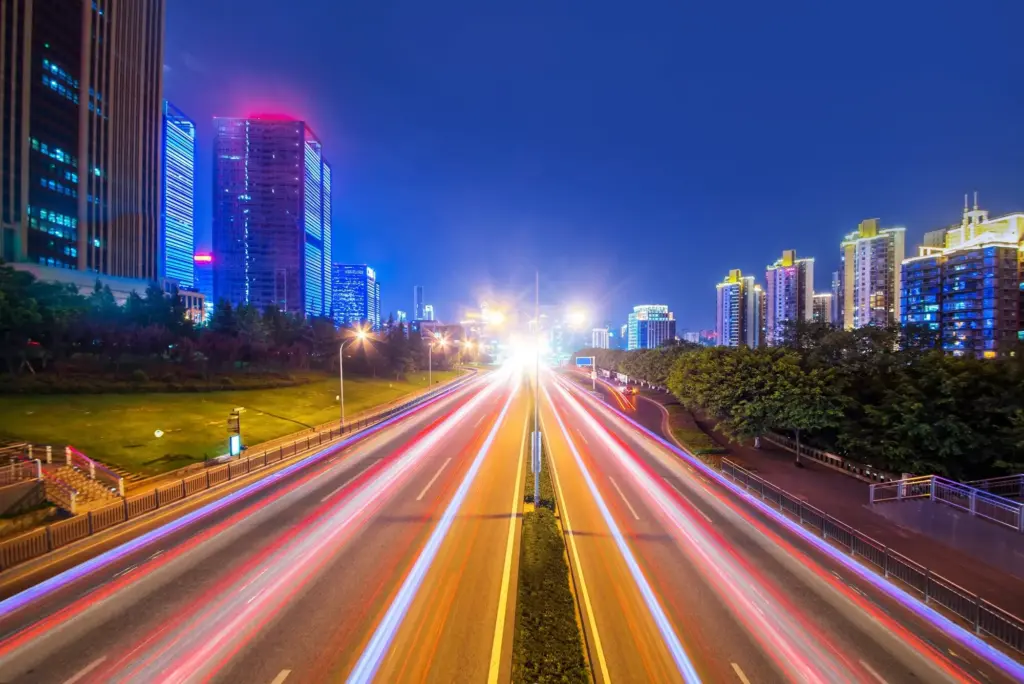
Shutter speed becomes expressive when you treat seconds like strokes: ten seconds preserves ripples, thirty finds silk, two minutes paints serenity, five captures cloud ribbons that imply wind direction. We’ll weigh ISO, aperture, and exposure time against moving elements and harsh point lights. Post a frame pair with different shutter choices; we’ll compare how identical compositions transform emotionally as time lengthens and the harbor slowly exhales into quiet abstraction.

Lines, Masts, and Reflections

Anchor Points That Hold the Scene

Choose a tactile element within arm’s reach—a barnacled bollard, coiled rope, weathered cleat—to ground the viewer. Low angles amplify scale and let silky water flow beyond. Keep edges clean, watching for cut masts or messy signage. If boats drift during minutes-long exposures, treat them as soft shapes playing behind your sturdy anchor. Place that anchor where it starts a journey toward light, horizon, or lighthouse glow.

Mirror Calm, Ripples, and Double Horizons

Reflections double the story but demand careful verticals and level horizons. Seek sheltered basins when ferries sleep, or create abstract mosaics where ripples kaleidoscope neon. Long exposures can either smooth chaos into a serene mirror or blend colors into dreamy gradients. Frame tight to celebrate painterly surfaces, or wide to showcase symmetry with moored boats above and their luminous counterparts below. Revisit spots as winds shift and surface character evolves.

Motion Versus Stillness with Boats and People

Contrast works beautifully: solid piers and crisp lighthouses against ghosted figures or gently blurred hulls. Ask companions to pause mid-step if you prefer clarity, or let them drift to suggest stories of work and return. Shorter long exposures keep hull details; longer ones turn them into soft shapes. Use that choice intentionally to emphasize solitude, industry, or calm. Review on-location, deciding whether movement supports or distracts from your visual intention.

White Balance Strategies for Mixed Sources

Start with a daylight or 4000–5000K baseline to prevent amber overload, then nudge warmer or cooler to complement the harbor’s character. Consider a custom reading from a neutral card, but trust your eyes on reflections. Split-toning later can separate sky from foreground. For starburst lamps, a cooler balance retains detail without sickly yellows. If two sources clash, capture a grey reference and maintain discipline in post to keep channels healthy.

RAW Headroom and Channel Discipline

Shoot RAW to recover subtle hue transitions across water and sky. Watch the blue channel near LED lamps; it clips early and becomes brittle. Slight underexposure can protect saturated signage and maintain gradient smoothness. In post, monitor RGB histograms when lifting shadows to avoid color tearing. Calibrate your monitor, and soft-proof for print papers, ensuring that delicate cobalt or teal tones survive beyond the screen without turning muddy or fluorescent.

From Sensor to Story

The file leaving your camera is just the beginning. Long exposures invite hot pixels, amp glow, and color noise, yet also gift polished gradients, velvety water, and gentle sky ribbons. We’ll refine without sterilizing, preserving maritime grit where it matters. Post your before-and-after edits; sharing workflow steps—especially masks and subtle local adjustments—helps others translate peaceful harbor experiences into prints and posts that breathe salt, diesel, and lingering light.

Harbor Stories from the Highlands and Isles

Field examples ground ideas in real places. We’ll trace decisions across a ferry port with glittering wakes, a sheltered bay lined by colorful houses, and a granite quay glowing beneath industry. Exposure choices, color handling, and safety considerations will surface repeatedly, revealing patterns you can adapt anywhere. Contribute your own case study in the comments, including settings, weather notes, and what you would change on your next return visit.

Oban: Ferries, Piers, and Glowing Wake

From a stable corner away from gangways, a 90-second exposure softened wake trails into luminous ribbons while keeping pier texture crisp at f/8, ISO 100, with a 6-stop ND. A cooler balance held cobalt water against amber lamps. Checking the timetable prevented surprise vibrations. A paired 1/5-second frame preserved signage highlights for a gentle blend. Locals suggested a wind-sheltered nook that became the vantage we now always seek first.

Portree: Painted Houses Under Slow Clouds

With moderate wind in the harbor, 120 seconds smoothed ripples into reflective sheen, doubling the pastel facades beautifully. Composing from a low, rocky foreground added texture that survived long exposure. A soft-edge grad held sky detail as cloud bands drifted diagonally. Cooler white balance avoided candy colors, honoring evening calm. Notes show civil twilight lasted longer than expected; arriving early secured focus and allowed time to test three shutter variations thoughtfully.
Mexopentosano
Privacy Overview

This website uses cookies so that we can provide you with the best user experience possible. Cookie information is stored in your browser and performs functions such as recognising you when you return to our website and helping our team to understand which sections of the website you find most interesting and useful.