Blue Hour Scotland: Bridges, Reflections, and Riverlight

Set your tripod where steel meets tide and watch dusk melt into cobalt calm. In this guide, we explore Iconic Scottish Bridges and Riverfronts at Dusk: Top Shooting Locations, revealing lived-in vantage points, timing strategies, and heartfelt stories that help you translate glowing horizons and patient rivers into photographs that hum with place, history, and shimmering evening color.

Mastering Dusk Over Water and Steel

The blue hour around Scotland’s rivers rewards patience, planning, and a steady hand. Expect rapidly falling light, wind funneled by channels, and reflections shifting with every ripple. Learn how to read the sky, stabilize in gusts, balance mixed color temperatures, and create photographs where structural grace, weathered stone, and smooth water collaborate like seasoned performers beneath a slowly darkening stage.

Reading Skies and River Angles

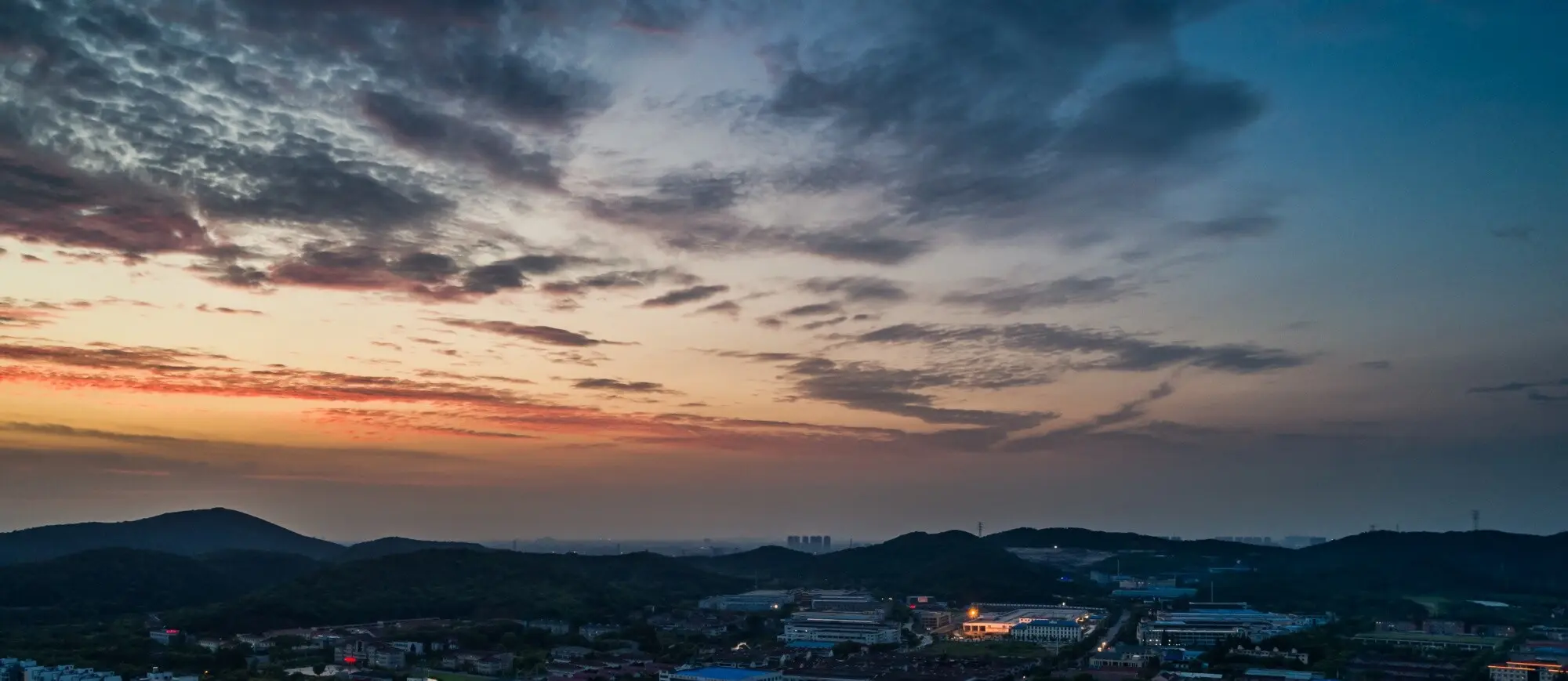
Dusk light pools differently above estuaries and inland bends, so scout where the last glow lingers and how bridge silhouettes cut the afterglow. Observe wind direction along the channel, since a crosswind breaks reflections. Watch clouds form wind-streaked textures that stretch leading lines, and anticipate when sodium lamps ignite, adding warm accents against a growing indigo canopy.

Dependable Long-Exposure Recipes

Begin at ISO 100, f/8–f/11 for crisp detail, then lengthen shutter speeds as luminance falls, letting thirty to sixty seconds smooth the river and swell reflections. Keep a six to ten-stop ND ready for earlier light, bracket for bright signage, use a remote or two-second delay, and enable long-exposure noise reduction when the chill thickens in late twilight.

Color Control and White Balance Choices
Lean into twilight’s palette by setting white balance near 3200–4200K to preserve deep blues while retaining warmth from city lamps. Evaluate on the histogram, not the screen’s illusion. Consider a mild polarizer only when glare overwhelms; otherwise, let reflections sing. For storytelling consistency across a series, lock a manual balance once the light stabilizes into that velvety, cinematic nightfall.

Hawes Pier and The Loan

Arrive a little before sunset to claim space near Hawes Pier, then work The Loan’s gentle elevation for layered silhouettes. When evening ferries shuffle, let their movement draw silver threads across the frame. As the Rail Bridge’s riveted arches darken, pinpoint light sources bloom, and the water’s texture softens, giving you moody, museum-ready geometry cradled by a glowing horizon.

North Queensferry’s Lookouts

From the compact waterfront near the lighthouse, look up to carve dynamic diagonals as trains spark across the cantilevered spine. Streetlamps paint warm strokes on slipways, offering foreground context. When the tide settles, switch to vertical compositions that stack reflection, truss, and sky. The moment the first stars appear, lengthen shutters and coax gentle mirror symmetry beneath that iron icon.

Glasgow’s Clyde: Neon Curves and Calm Currents

Where the Clyde Arc’s luminous sweep meets glassy water, Glasgow offers cinematic frames that feel both modern and intimate. Reflections double color and shape, while the city’s industrial memories linger as confident backstory. Seek patient compositions from Pacific Quay, keep pockets warm for batteries, and invite serendipity as buses, walkers, and river breezes add subtle life to long exposures.

Discovery Point and V&A Waterfront

Begin at Discovery Point, where the ship’s rigging writes delicate diagonals against cooling sky. Step along the V&A’s sculpted walls to catch edge light kissing concrete ribs, then include the Tay beyond as a calm, breathing backdrop. When façade lights rise, balance their warmth with deep river blues, giving your composition a quiet, modern heartbeat anchored by patient, seaworthy heritage.

Magdalen Green and Riverside Pauses

From Magdalen Green, align the Road and Rail bridges as parallel strokes, shaping a corridor for descending light. If a breeze scatters the river’s skin, introduce foreground texture—benches, railings, or silhouetted trees—to hold focus. As lamps wink on along Riverside Drive, time slow exposures so ripples blend softly, letting the bridges’ repeating piers conduct dusk’s last luminous notes.

Inverness Glow along the River Ness

Bridges over the River Ness stitch neighborhoods to castle views while evening light settles into delicate gradients. Footbridges sway slightly, adding charm and rhythm to long exposures, and warm lamplight drapes over railings like ribbons. Seek reflection pockets near calmer eddies, work from both banks, and let the slow conversation between architecture and water guide your quiet, glowing storytelling.

Greig Street Bridge to the Castle

Anchor your composition on Greig Street Bridge’s latticework, then lift the eye to the castle’s softly lit crown. A gentle long exposure melts footsteps into ambient life without erasing character. As river lights spark on, meter for highlights along the parapets, then pull detail from shadows later. The scene welcomes minimalism: steel pattern, warm stone, and an elegantly breathing river.

Ness Islands Footbridges and Flow

On the Ness Islands, use longer exposures to silk the current while preserving texture around rocks and midstream greenery. The footbridges’ modest spans add human scale; let their lamps articulate a pathway through layered dusk. Watch for cyclists crossing as subtle, luminous threads. Compose wide, then close, crafting a sequence that moves from sweeping tranquility to intimate eddies and rivet grace.

Shore Street Perspectives

From near Shore Street, align bridge profiles with moored boats and riverfront façades carrying warm window light. Use railings as low guides into the frame, and catch micro-reflections along steps between levels. As the last cobalt lingers, bracket a darker frame to protect signage glow, then blend for believable contrast, honoring the Ness as a mirror of city heartbeat.

Smart Planning: Weather, Tides, Travel, and Safety

Packing with Purpose

Carry a sturdy tripod, remote release, microfiber cloths, and spare batteries that stay warm inside an inner pocket. Add a small towel for railings, gaffer tape for flapping straps, and a compact rain cover. Neutral-density filters extend your window, while a flashlight helps compose in near-darkness. Keep snacks handy, because calm reflections often arrive exactly when stomachs grow impatient.

Timing, Transit, and Tides

Arrive before sunset to scout clean lines and wind shadows, then remain through nautical twilight as artificial light harmonizes with blue air. In bridge cities, trains and buses lace glowing trails; check timetables to predict motion. Study tide charts for reflective surfaces or exposed textures. If weather pivots, shelter briefly and reassess compositions rather than forcing a restless, scattered frame.

Stewardship and Community

Mind river edges, nesting birds, and fellow night walkers. Choose stable footing, avoid blocking narrow paths, and dim headlamps when others frame a shot. If you discover a new angle, share a hint—not coordinates that endanger fragile sites. Post your images, subscribe for monthly location updates, and leave questions; your feedback turns solitary dusk outings into a generous, collective classroom.
Mexopentosano
Privacy Overview

This website uses cookies so that we can provide you with the best user experience possible. Cookie information is stored in your browser and performs functions such as recognising you when you return to our website and helping our team to understand which sections of the website you find most interesting and useful.