Where Rivers Shine: Night Images Along Scotland’s Waterfronts

Tonight we dive into Architectural Lighting on Scotland’s Waterfronts: A Night Photography Guide, inviting you to explore bridges, museums, shipyards, and harbors transformed by carefully designed illumination and shimmering reflections. From Glasgow’s Clyde to Leith and Dundee, you’ll learn how color, weather, tide, and exposure decisions shape every frame, while safety, respect, and creative courage help you return with images that feel alive, meaningful, and distinctly Scottish.

Reading the Light Across Water

{{SECTION_SUBTITLE}}

Color Temperatures and Heritage Stone
Warm facades against cool river washes can look dreamy or discordant depending on balance and exposure. Calibrate white balance deliberately, testing daylight, tungsten, and custom Kelvin values while reviewing live histograms. On sandstone, slightly warmer tones enhance grain; on granite, cooler neutrality preserves crispness. When mixed sources collide, bracket for post-production blending, or bias toward skin-tone neutrality if people occupy foreground piers. Subtle shifts create harmony without flattening atmosphere or erasing architectural intention.

Managing Reflections, Ripples, and Wake

Reflections behave like living subjects. A passing tug can fracture mirror symmetry for minutes, while gentle wind lifts small chop that scatters neon signage into glitter. Time your exposures for lulls and watch flags to predict steadier surfaces. Position yourself near sheltered corners behind moored vessels to calm water. If disturbance adds story, elongate shutter speeds to smooth fragments into painterly streaks, letting color become the narrator rather than a literal representation of the facade.

Equipment and Exposure Strategies That Never Flinch

Long, stable exposures unlock luminous detail along piers and promenades. A rigid tripod, reliable remote release, and vibration management matter more than chasing the newest sensor. Favor lenses with weather resistance, moderate apertures for sharpness, and manual focus for precision. Embrace zebras or clipping warnings to protect highlights on signage and bridge lighting. Build an exposure routine: compose, focus magnified, meter brightest elements, test, review histogram, refine, and shoot a short series to hedge against wake and gusts.

Tripods, Clamps, and Safe Placements

Stability starts with thoughtful footing. Extend the thickest tripod sections first, hang weight low, and avoid metal grates that resonate under footfall. Keep clear of slippery weeded stones and rising tides; mark retreat paths before darkness deepens. A mini clamp on railings can steady a second angle without blocking pedestrians. Pack a small towel to dry legs after sea spray. Reflective bands and a discreet headlamp protect you without spoiling others’ long exposures across the quay.

Shutter, Aperture, and ISO Pairings

Begin around ISO 100–200, f/8–f/11 for edge-to-edge sharpness, then float shutter until highlights sit below alert thresholds. For glowing bridge cables or museum facades, 4–15 seconds often balances reflection texture and luminous signage. If animated LEDs pulse, trial multiple durations to capture full cycles. Reserve higher ISO only to freeze passing ferries or people. Manual focus on magnified edges, confirm infinity carefully, and recheck after temperature swings; even slight focus drift softens distant lights irretrievably.
Glasgow’s Clyde Arc and Finnieston Vista
Stand near Pacific Quay for a clean curve of the Arc mirrored across the Clyde, then pivot for the Hydro and Armadillo’s sculpted forms. Watch for passing river traffic that shivers reflections. As magenta lighting cycles, bracket gently to retain channel markers and walkway lamps. If drizzle arrives, don’t leave; fine rain thickens neon presence without drowning detail. Share your vantage discoveries with fellow readers, and ask questions about safety spots we have carefully scouted together.

V&A Dundee and the RRS Discovery

The museum’s striated concrete reads dramatically with side lighting, especially when ripples turn ribs into stretched ribbons. Position the RRS Discovery as a counterpoint, her rigging sketching delicate lines against backlit clouds. Foreground bollards ground the scale while protecting your feet from creeping tide. Try one exposure for water, one for signage highlights, and blend carefully. Even small shifts in wind direction change reflection clarity; wait through two cycles of gusts before calling the composition finished.

Leith Shore and the Britannia Walk

Follow the Water of Leith toward Ocean Terminal, stitching pub windows, footbridges, and moored boats into a luminous promenade. The Royal Yacht Britannia’s illumination reads regal without excess, rewarding low angles that double the lines. Avoid crowd hot-spots with patient timing, and listen for quiet between taxis to steady surfaces. If winter frost arrives, boots grip becomes everything. Leave space for residents and harbor crews, and smile; a friendly word often opens unexpected, photogenic access with gratitude.

Compositions that Hold Water and Light

Reflections create magnetic symmetry, but the strongest images also anchor scale, narrative, and direction. Use leading piers to funnel attention, or invite calm with centered, balanced horizons when water behaves like glass. Contrast sleek glass with weathered rope, finding humanity in small details. Step sideways to separate lampposts from cornices. Embrace negative space when signage overwhelms. Above all, compose for what the scene feels like: industrious, festive, contemplative, or storied, then let exposure decisions reinforce that intention carefully.

Weather, Tides, and After-Dark Safety

The coast’s mood writes your schedule. Wind scrapes reflections; calm stitches silk. Tides relocate foregrounds, extend slips, and flood enticing steps. Fog softens signage into dreamy gradients, while hail tests patience and equipment seals. Build rituals: check forecasts, pack spare gloves, use a dry bag, and leave a route note. Work respectfully around crews and residents, dimming lights near windows. Confidence grows from preparation, so creativity can meander freely without ignoring the cold, dark, breathing water nearby.

Editing for Luminous, Believable Nightscapes
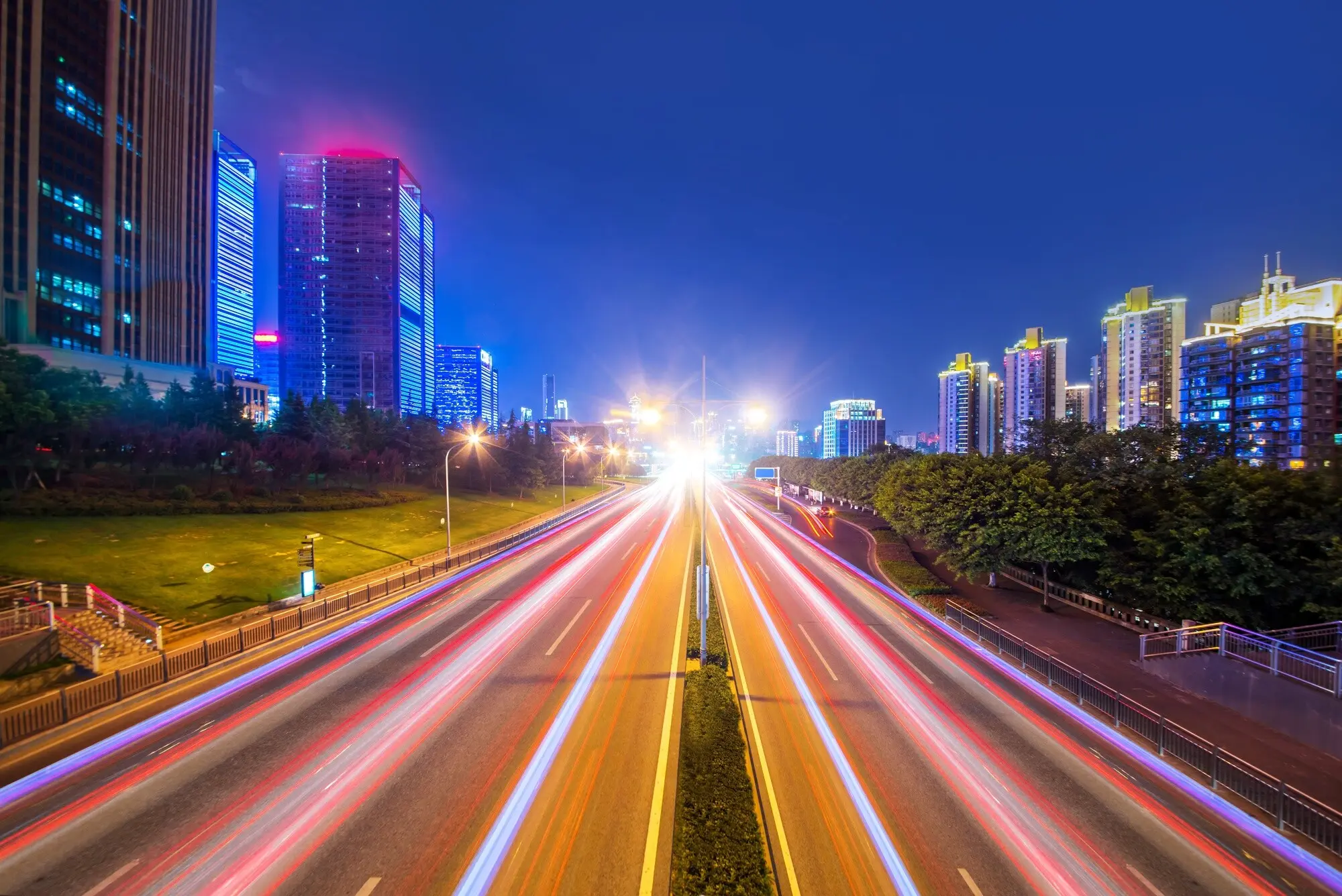
Post-production should honor how the water felt and the lighting designer’s intent. Start with careful white balance, then reign in highlights while lifting midtones to reveal texture. Use gentle color contrast to separate glass from stone without neon overload. Tame halos around high-contrast edges. Preserve reflections’ subtleties rather than cloning perfect duplicates. Finally, add restrained clarity and localized dodge to guide eyes along bridges and hulls. Your edit should whisper confidence, not shout special effects.
LED bridges, tungsten windows, and cool street fixtures dance together. Rather than chasing a universal fix, set a base Kelvin for facades, then brush local shifts onto windows and signage. If the river skews green, correct selectively with targeted HSL. Preserve a touch of ambient blue to hold night air. Neutral skin tones matter near promenades; sample and correct gently. Save snapshots as you iterate, so you can compare moods and pick the most honest rendition later.
Use luminosity masks to build contrast where structure needs definition, leaving shadows on water soft. Overcooked clarity generates brittle halos along cables and parapets; reduce radius or use micro-contrast tools sparingly. Reflections deserve respect: resist doubling brightness just to impress. Dodge thin highlight threads that describe movement, and burn stray hotspots that yank eyes away from the subject. Viewed large, harmony beats spectacle. Invite feedback from peers, and refine again, practicing restraint with reassuring, repeatable steps.
Sharpen for output size, not ego, masking water to keep grain gentle. Add a faint vignette only if it supports direction. Export a web version that preserves subtle gradients, then print on semi-gloss or baryta to celebrate reflections without plastic shine. Caption with tide, wind, and location notes to help others learn. Share your favorite waterfront image and gear choices below, subscribe for route updates, and tell us what shoreline you want mapped next under Scotland’s patient night sky.
Mexopentosano
Privacy Overview

This website uses cookies so that we can provide you with the best user experience possible. Cookie information is stored in your browser and performs functions such as recognising you when you return to our website and helping our team to understand which sections of the website you find most interesting and useful.