Between Tide and Twilight Along Scotland’s Shores

Today we explore “Seasonal Color Shifts of Scotland’s Coastal Skies During Blue Hour,” following how latitude, weather, and salt-laden air refract and scatter light into violets, cobalts, and shy teals. We’ll weave science with shoreline memories, from Skye’s cliffs to Fife’s piers, and offer field-tested tips for watching safely, photographing thoughtfully, and returning often. Share your moments, compare notes across months, and let this gentle interval between daylight and night become a ritual that slows the heart and sharpens wonder.

Light, Latitude, and the Long Northern Gloaming

Here, high latitudes stretch twilight like taffy, softening the solar descent and deepening the palette. During this interval, when the sun sits just below the horizon, Rayleigh and Mie scattering mingle with maritime haze, shaping color in layered ribbons. In Scotland, that slow geometry shifts with seasons, expanding in summer, condensing in winter, making patience the most faithful instrument you can carry to the shore.

Summer’s Lingering Edge of Day

In June and early July, the sun glances so shallowly beneath the horizon that dusk scarcely finishes its sentence. The interval of profound blue can stretch luxuriously, modulating through periwinkle, indigo, and steel-green echoes. Photographers speak in whispers, exposures lengthen, and gulls sketch pale commas over water while the colors shift slowly enough to notice your breath matching the sea.

Winter’s Swift Cobalt Plunge

In December, the celestial tilt quickens the sequence. Colors cascade faster, from bruised lavender into firm cobalt, then into star-pricked blackness before you have zipped your jacket completely. The cold clarifies air, clearing particulates after squalls, so a brief, stern blue can feel almost metallic. Timing matters deeply; five minutes late becomes an entirely different conversation with the horizon.

Equinox Balances and Fickle Weather

Around March and September, duration and intensity often balance gracefully, yet changeability reigns. Passing showers, onshore breezes, and gaps in stratocumulus open windows where warm afterglow meets cool twilight, braiding rose with marine blue. Locals call it capricious, yet generous; a night that looked ordinary at tea can burst into layered tones just as your boots hit damp sand.

Wind, Water, and the Sea‑Salt Palette

Maritime air is a painter with wet brushes. Salt crystals, humidity, and fine spray thicken the atmosphere, scattering longer wavelengths differently than dry inland air. After storm fronts, microdroplets hang and glow; under high pressure, the sky cleans to crystalline gradients. These small, physical textures change how blue sits on the sea, how teal glances against basalt, how violet lingers behind cloud seams.

Atlantic Systems and Restless Tones

When a North Atlantic low unspools along the shelf, squalls shuttle through with miniature theaters of contrast. Breaking cloud decks expose wedges of cold blue, then wrap them in gray gauze. The sea inherits these fast edits, reflecting silvered ultramarine between whitecaps. In such weather, bracket exposures and breathe steadily; unpredictability is not a problem but a patron.

Calm Evenings Under High Pressure

After days of settled air, haze thins and edges sharpen. The gradient from horizon to zenith becomes exquisitely smooth, like a note held well past its expected end. Greens may whisper near the horizon line while richer blues bloom overhead. Glassy tidal pools mirror the sky’s slow dial, doubling subtle shifts and inviting patient compositions with elegant, minimal gestures.

After Rain, a Clean Window Opens

A heavy shower can rinse the air of dust and pollen, leaving a brief window of astonishing clarity. Colors can swing brighter and cooler, especially when the sun’s hidden position aligns with a sliver of open sky. Look for veils of mist lifting from cliffs, making gradients feel three-dimensional, like stacked panes of blue glass sliding apart with each inhalation.

Places Where the Edge of Light Feels Closer

Some shorelines seem tuned to this interval. Promontories, bays, and skerries set the stage, catching or releasing color in distinctive ways. From basalt headlands to pale machair-backed sands, the geometry of land and water sculpts gradients into experiences. What follows are lived notes gathered from unhurried evenings, when gulls quieted, tripods steadied, and conversations with the sky felt almost audible.

Practice for Photographers Who Prefer Patience

Working during this interval rewards preparation and calm choices. Think in gradients, not single hues. Meter carefully, guard highlights near the horizon, and accept that motion is part of the coast’s handwriting. Prioritize safety around tides and cliffs, and let color guide narrative choices rather than gimmicks. Your edits should feel like listening closely, not raising your voice.

Sky Lore, Science, and Small Human Moments

Names like gloaming carry centuries of noticing. Physics explains scattering; stories explain why we return anyway. Fishermen comparing blues to favored sweaters, a child learning cardinal points with a pocket compass, a visiting astronomer timing nautical twilight—each adds contour to the palette. The coast holds these voices the way rock holds warmth, releasing them as daylight loosens.

01

A Ferry Crossing Painted Lapis

Between Ullapool and Stornoway, a winter sailing once fell into that perfect interval when the decklights lowered and the sea mirrored a heavy cobalt. Elder passengers swapped weather proverbs while teenagers filmed the wake. The purser pointed south, quietly naming constellations emerging, as if handing out warm cups of recognition to keep us on speaking terms with night.

02

A Lighthouse Keeper’s Recollection

At Buchan Ness, an old hand described evenings when mist and blue wrapped the tower so gently the beam looked like a ribbon stirred in ink. He swore the birds kept closer, listening. Science accounts for droplets and angles; he accounted for tenderness. Both seemed true, layered like varnish, protecting a memory that still shines when storms return.

03

Two Friends, One Cold Promontory

Above Durness, wind needled through jackets while the horizon dialed from violet to deeper blue. One friend composed carefully; the other kept watch for stray waves creeping higher. Later, warmed by chips and tea, they compared frames and laughed at missed focus. What mattered most was how the color stitched another shared evening into a well-worn map.

Join the Watch on the Shoreline
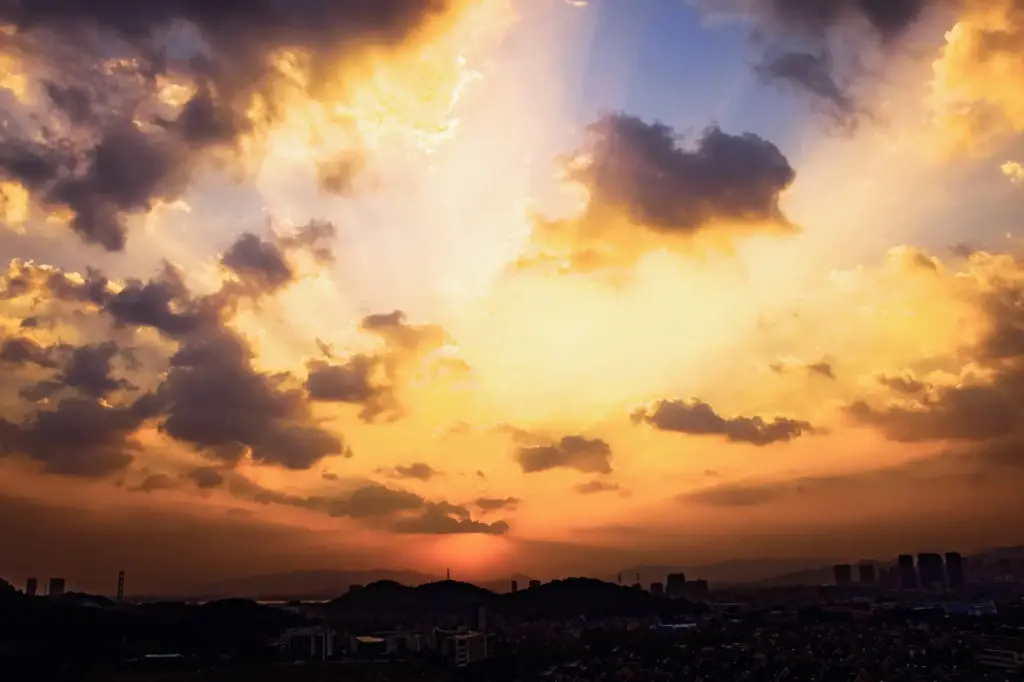
Your observations can extend this living palette. Share locations, conditions, and settings, but also sensations: the sound of terns, the smell of kelp, the way conversation softened as blue settled. Subscribe for monthly prompts following solstice to solstice. Comment with insights and questions. Together we can map nuances, care for fragile places, and meet the light with humility.
Mexopentosano
Privacy Overview

This website uses cookies so that we can provide you with the best user experience possible. Cookie information is stored in your browser and performs functions such as recognising you when you return to our website and helping our team to understand which sections of the website you find most interesting and useful.